


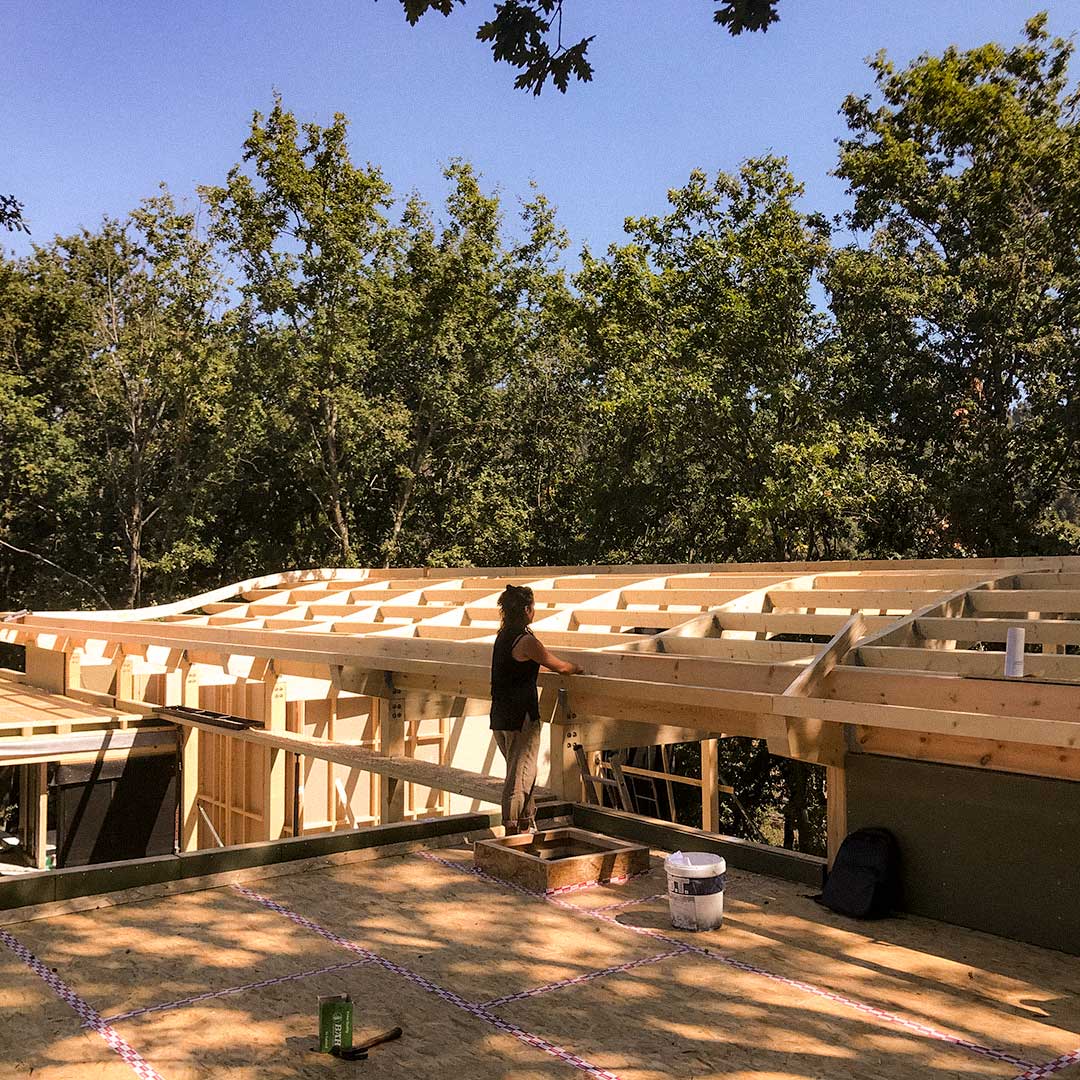
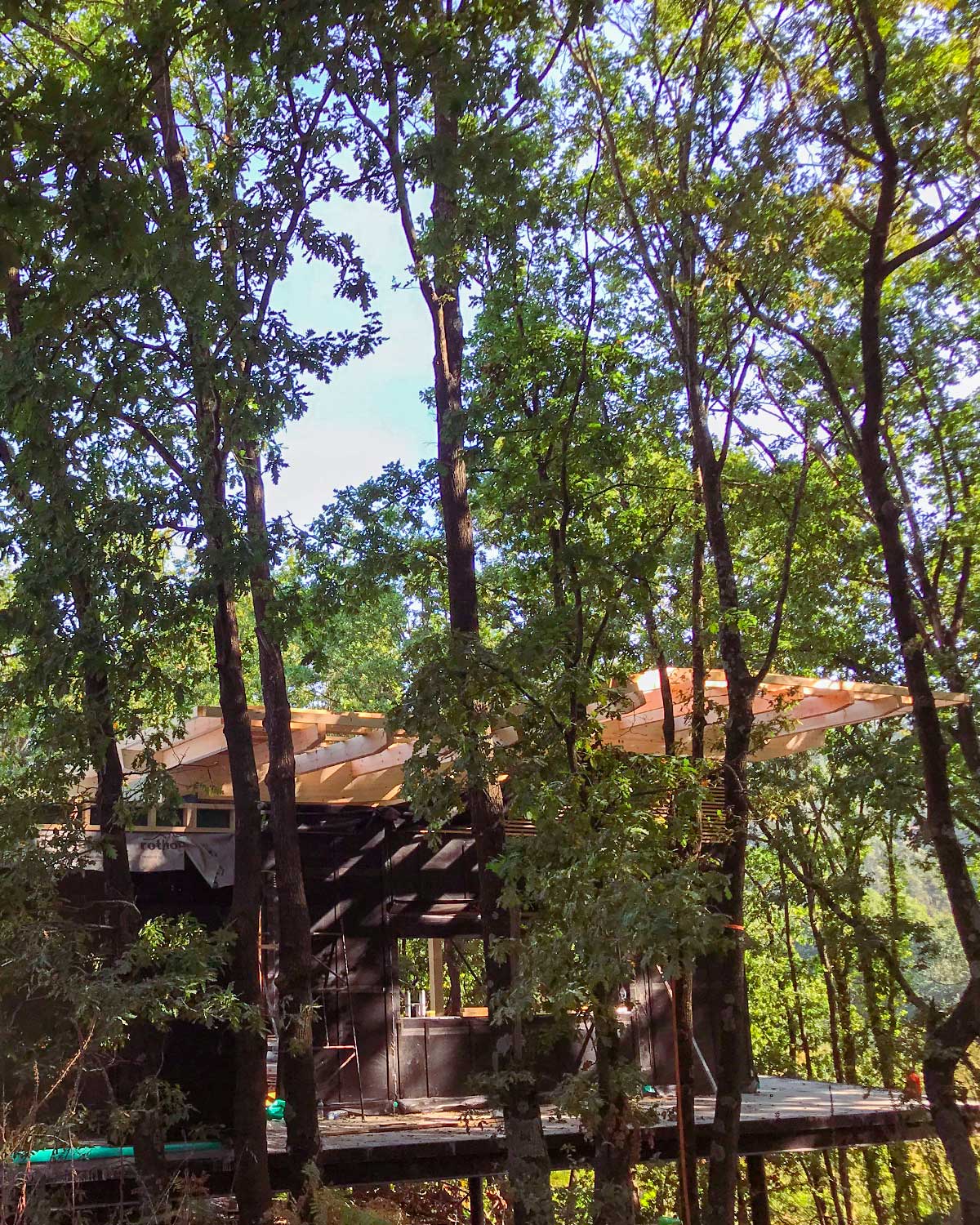
Impact on the way we build
Its influence on construction is also quite significant, as it considers the impact of the natural environment on people’s well-being and health. By incorporating the principles of geobiology during construction, it is possible to create more balanced and healthy spaces with scientific support.
To achieve this, we must pay attention to the following points:
When selecting the construction site, consider the natural influences of the terrain, such as the presence of underground water currents, geological faults, electromagnetism and telluric radiation. These factors can affect people’s well-being and it is necessary to take care and guide suitable locations for construction.
In the orientation of the building, relating to the cardinal points and the influence of natural energy flows, which can affect the capture of sunlight, ventilation and the flow of subtle energies in the built environment;
The construction materials used and how they can impact health and environmental balance, which influences the choice of natural materials that are energetically balanced and ecologically sustainable.
The study of electromagnetism and radiation addresses concerns about electromagnetic radiation of natural or artificial origin, helping to minimize harmful exposures in built spaces.
Effects of radiation on the human body
Electric current plays an essential role and is part of the biological processes of all living beings: electrical impulses cause each organ to secrete a certain hormone, release certain trace elements or reproduce more or less quickly.
However, these mechanisms can be altered by the action of strong electric or magnetic fields.
According to W. Ross Adey, artificial electromagnetic fields invade natural magnetic fields, altering the natural biorhythms that regulate many subtle processes in the body.
Sick Building Syndrome was recognized by the World Health Organization in 1982. It consists of the cause and effect relationship between the conditions in an indoor environment and the harm to the health of the occupants.
With regard to indoor pollution, geobiology acts before and after the planning of architecture and construction, seeking to use natural lighting and ventilation as well as less polluting construction materials.
These applications of geobiology involve the concepts of sustainable construction, but go beyond the concern for the construction itself.
Care for human beings, for the health of the species, quality of life and health of the habitat.
The concept of Building-Biology and Ecology provides a framework for the design of buildings that are energy efficient, environmentally friendly and that support biodiversity and human well-being, which translates well into the applications of geobiology in the field of healthy housing.
Overall, geobiology provides a holistic perspective on the intrinsic connections between life and Earth systems, playing a crucial role in advancing our understanding of the planet we inhabit.