

The concept of Active Design refers to an innovative approach to the design of spaces and environments with the aim of promoting healthier and more active lifestyles. This type of approach seeks to integrate physical activity into people’s daily lives, encouraging exercise in a natural and spontaneous way.
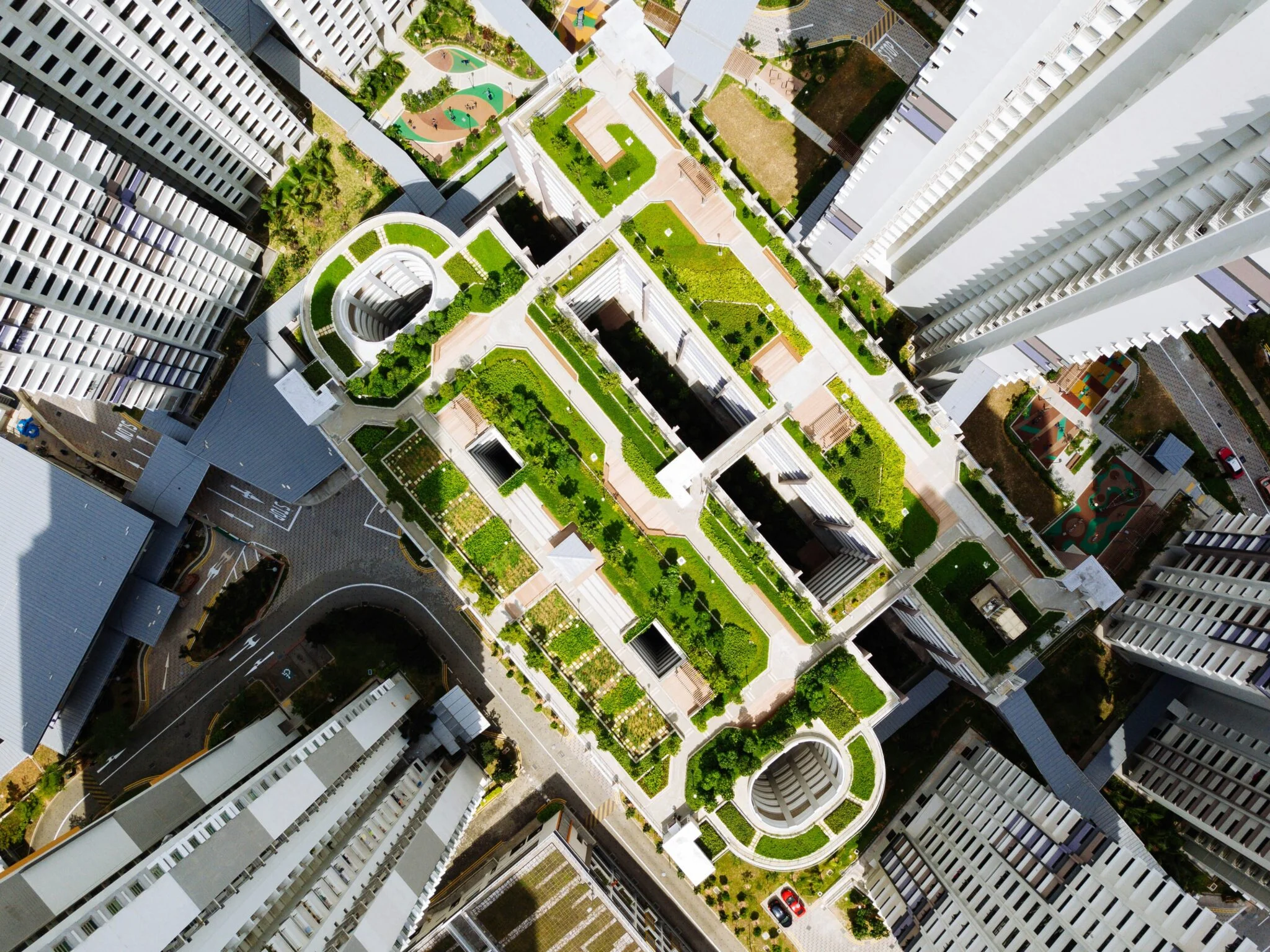
When adopting Active Design, spaces are planned in a way that encourages movement and physical activity, whether through inviting and accessible paths, safe routes for pedestrians and cyclists, green areas for outdoor recreation, or the presence of sports and leisure facilities.
In addition, Active Design seeks to promote mental and emotional health, including the creation of environments that favor social interaction, well-being and stress reduction. The integration of design solutions that facilitate connection with nature and access to places of community living is also valued.
CHUTTERSNAP - Unsplash
Robert Bye - Unsplash
Cities can implement Active Design
The concept of Active Design has influenced the way in which urban spaces, commercial buildings, schools, parks and other environments are designed, aiming to positively impact people’s health and quality of life.
Cities can implement Active Design in their planning and structuring in a number of ways, aiming to promote physical activity and a more active lifestyle for their inhabitants.
Some strategies include:
- Infrastructure for active mobility: Invest in wide, well-maintained sidewalks, safe pedestrian crossings, cycle paths and walking routes.
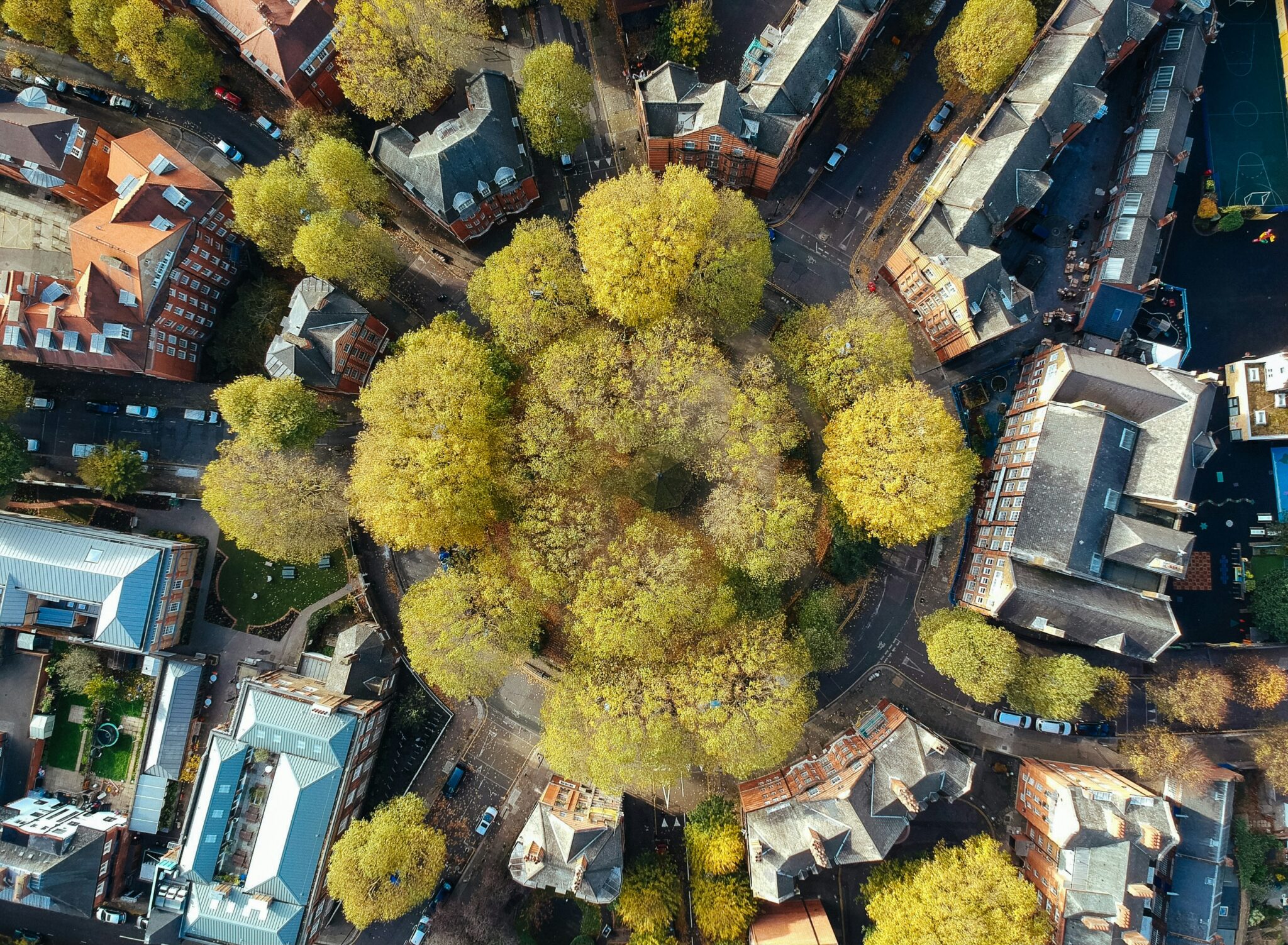
- Green spaces and recreation areas: Create accessible parks, squares and green areas that encourage outdoor physical activity.
- Accessibility to sports facilities: Provide spaces for practicing sports, such as multi-sports courts, running tracks and other areas for outdoor exercise.
- Integration of public and active transport: Promote easy and safe access to public transport, as well as encourage the use of cycling and walking as means of transport.
- Inclusive urban planning: Developing neighborhoods and communities that encourage social interaction, promote safety, and are accessible to people of all ages and abilities.
Impact on humans is significant
The impact of Active Design on human beings is significant and encompasses several aspects of daily life:
- Physical health: Encouraging regular physical exercise can help improve cardiorespiratory health, control body weight, reduce the risk of chronic diseases such as diabetes and hypertension, and strengthen the immune system.
- Mental well-being: Actively designed environments can promote psychological well-being by reducing stress, anxiety and depression. Exposure to green spaces and opportunities for social interaction can also contribute to mental health.
- Quality of Life: By creating environments that encourage physical activity and provide outdoor spaces for recreation, Active Design can improve quality of life by providing opportunities for leisure activities and relaxation.
- Social Interaction: Spaces designed with Active Design can promote social interaction, which is fundamental to a sense of community, mental health and the development of healthy relationships.
- Accessibility and Inclusion: Active Design can make environments more accessible and inclusive for people of all ages, abilities and backgrounds, promoting equity and social justice.
Highlight the Social Impact
It is important to highlight its social impact, as it is not just about promoting physical activity, but also creating spaces that encourage interaction between people and strengthen community ties.
Some of the ways Active Design can positively impact society include:
- Inclusion and Accessibility: By making environments more accessible and inclusive, Active Design provides equal opportunities for all people to engage in physical activity and enjoy public spaces.
- Creating More Active Communities: Active Design can contribute to the emergence of more active communities, in which residents connect in collective physical activities, promoting health and well-being in a shared way.
- Safety and Social Cohesion: Well-designed spaces with Active Design can increase the sense of safety in urban areas, encouraging people to get out of their homes and interact with each other, strengthening social cohesion.
- Reducing Loneliness and Isolation: By creating inviting environments conducive to social interaction, Active Design can play a role in reducing loneliness and social isolation by fostering closer relationships within the community.
Therefore, Active Design not only positively influences individual health, but also comprehensively impacts society as a whole, favoring the development of healthier, more active and cohesive communities.